



 Back
Back

3D printing could help choose the best heart valve for patients undergoing TAVR
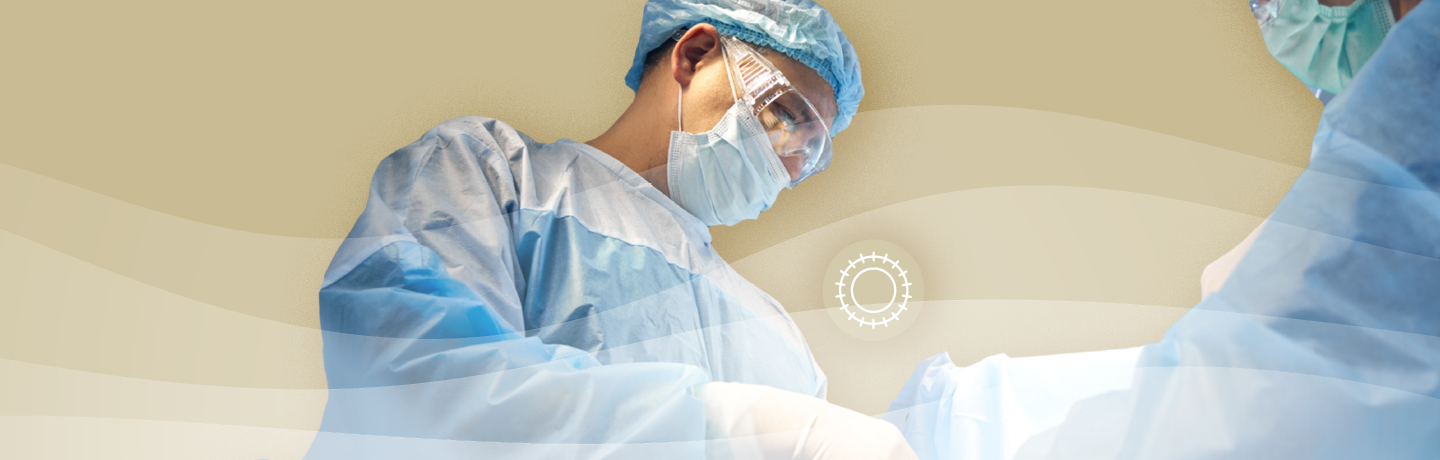
US researchers have developed a 3D printing technique that may help cardiologists predict paravalvular leakage – a common complication of transcatheter aortic valve replacement (TAVR). The team, formed from a collaboration between Georgia Institute of Technology and the Piedmont Heart Institute, published their study in JACC: Cardiovascular Imaging on 3 July 2017.
Using computed tomography scans of 18 patients’ hearts, Zhen Qian and colleagues printed 3D heart valve models, into which they implanted valve prostheses. By analysing how the prostheses and models interacted, the team successfully predicted the location and severity of the paravalvular leakage that occurred during the patients’ actual TAVR procedures.
The researchers say they hope this technology could be used to test-drive valves in patients before they undergo surgery, with the results helping physicians to decide which prosthesis to implant. Tests in more patients are required to optimise the design and production of the 3D heart valve models.
Original article: http://www.imaging.onlinejacc.org/content/10/7/719?sso=1&sso_redirect_count=1&access_token


 21§2§ Min |